Key developments
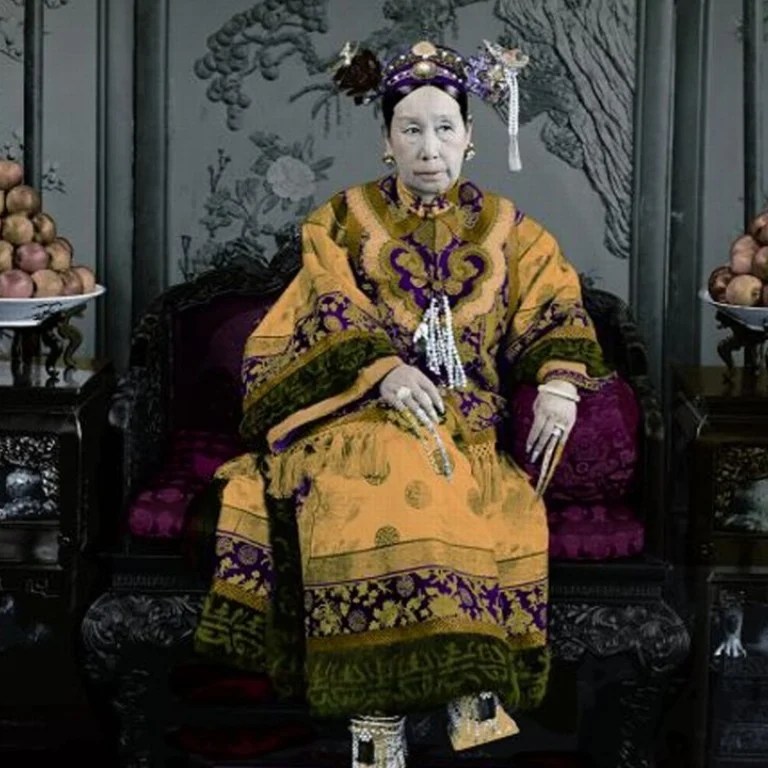
In response to the defeat of the Boxer Uprising and the punishing reparations that were imposed on the Chinese government, the Empress Dowager Cixi finally agreed to implement reforms designed to strengthen China by learning from foreign methods. This was the philosophy of the Self-Strengthening Movement (1861-1895) which Cixi had previously opposed. The 7 key reforms involved 1. abolition of foot binding, 2. nationalisation of railways, 3. the abolition of Civil Service Exams, 4. the creation of a new army under Manchu control, 5. educational reforms (introduction of Naval and Military Colleges, the opportunity for scholarships to study abroad) and the introduction of 6. Provincial assemblies with limited voting a rights and 7. a national consultative assembly.
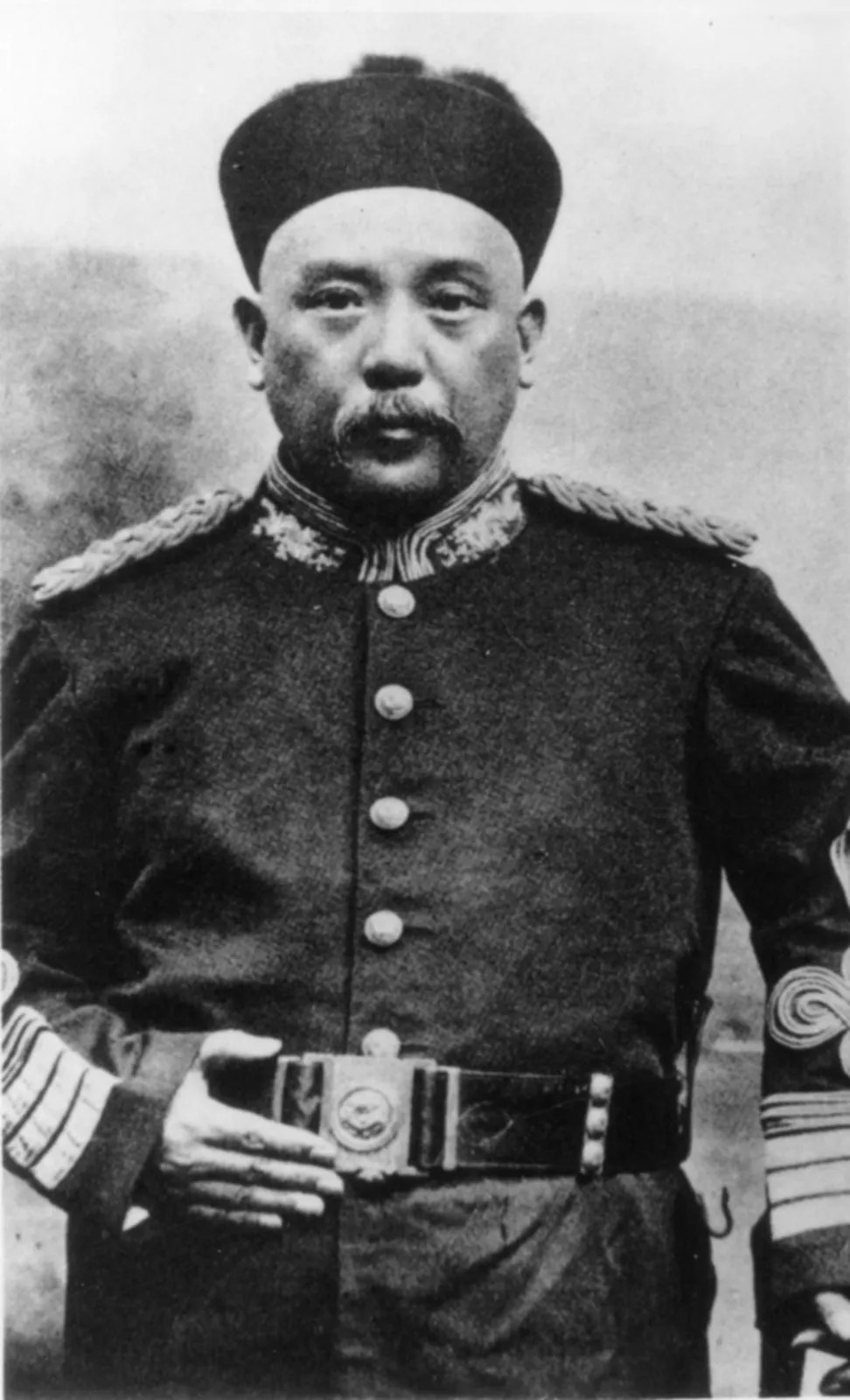
In the end, the reforms proved too little and too late to save the dynasty, mostly because they reinforced the problems that led to calls for revolution. The regent, Chun increased taxes on land, tea, wine and salt to pay for the new army and the reparations. Local landlords were not compensated for the nationalisation of railways which served only to increase Manchu control of the provinces. Manchus dominated the national consultative assembly and only 0.4% of the population was allowed to vote. Meanwhile, any changes voted through in the national consultative assembly were to be delayed by 9 years, which encouraged revolutionaries to seek the overthrow of the Qing. Students who went abroad to study under the new scholarships returned with westernising ideas and support for Sun Yat-sen. Meanwhile, during his reform of the army, Chun made a crucial error by dismissing General Yuan Shikai, perhaps in revenge for his failure to support the Boxers, but in doing so he created a dangerous enemy.
In 1911, following drought and harvest failures across the country, a group of revolutionary supporters of Sun Yat-sen, accidentally set off an explosion in Hanku. When the army was sent to investigate, Yuan Shikai took control and used the army to establish himself in power. Revolutionaries invited Sun Yat-sen to become president, but Yuan Shikai asked him to step aside and in return agreed to abolish the monarchy. Sun Yat-sen fled the country for his own safety, returning once again to Japan. Meanwhile, Japan took advantage of the western powers pre-occupation with WWI to seek to impose 21 demands on China that would have ended the ‘open-door’ policy (which gave foreign powers equal trading rights in China) in its own favour. Yuan Shikai sided with the foreign power, just he had done during the Boxer rebellion, and this time his own army mutinied against him, with his generals seceding from China and running their own provinces as warlords.
1902
Cixi and Guangxu were allowed to return to Beijing. The Self-Strengthening reforms began. Reforms were introduced to the army and to education. Foot binding was abolished. Railways were nationalised.
1905
Japanese power was growing – it unexpectedly defeated Russia in Russo-Japanese War.
The Civil Service exam was abolished.1908
A new army was created under Manchu control
Death of Guangxu and Cixi 2 days later.
Emperor Puyi succeeds at age of 2; his uncle Chun became regent.1909
In 1909 Provincial Assemblies were introduced with a limited right to vote.
1910
In 1910 a National Consultative Assembly was formed to be a cabinet to advise the government.
1911
9 October
Revolutionary supporters of Sun Yat-sen (who had been in exile since his failed uprising in 1895, and was currently in Japan), accidentally let off an explosion in Hanku
10 October (double 10 day)
Soldiers in Wuhan began to mutiny. Yuan Shikai, recalled by Chun, turned against the government and sided with the rebels when he reached Wuhan. Yuan Shikai returned to Beijing to form a Han government.

1912
1 January
Sun Yat-sen was asked to become president and returned to China but was persuaded by Yuan Shikai (who had the support of the army) to step down, in return for which Shikai promised to abolish the Qing dynasty. The Abdication Decree was signed. Puyi was forced to abdicate at age of 6. Yuan Shikai now ruled as virtual dictator. Sun Yat-sen fled back to Japan for his own safety.
1914
WWI began.
1915 – Warlord Era begins
Japan attempted to impose 21 demands on China, involving control of Chinese factories, railways and ports. Yuan Shikai conceded to Japan, but his army mutinied in response and his military governors began to secede their regions from China as a whole, ruling them with their private armies.
1916
Yuan Shikai, having abandoned his plans to make himself emperor, died of a stroke (although many believe that he has been poisoned).
 RGS History